post

Rules on adultery and its punishment

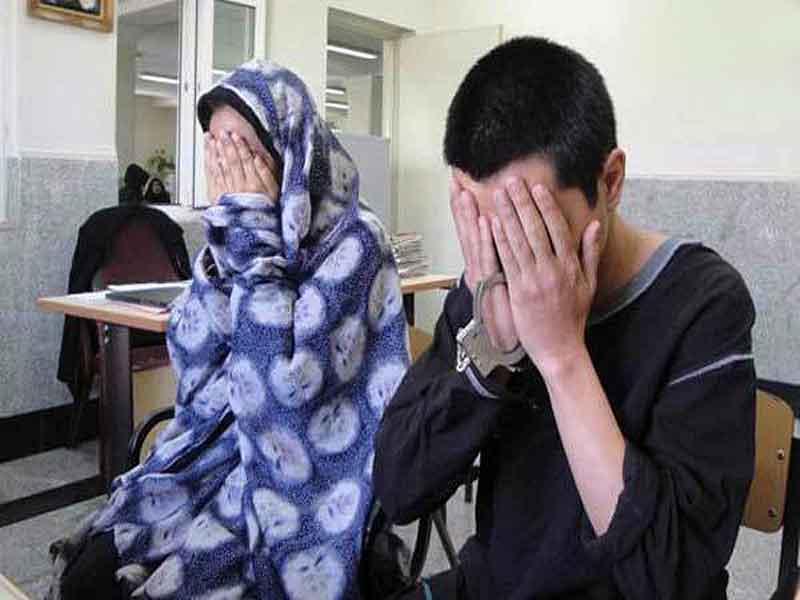
Question 238: Assalam aleikum wa rahmatu Allah wa barakatuhu. I would like to ask a question concerning rape. I live in Finland and now there have been lots of reports of rapes happening. In all the cases the rapist is an asylum seeker. Latest rape happened in Sweden where a swedish woman was raped and after she was raped she walked for 100 meters and was raped again by another asylum seeker. This made me think, what is the punishment of rape according to ahlulbayt (as)? May Allah bless you all.

Answer 238: Adultery is a great sin according to the Quran. God, the Exalted, says: “Nor come nigh to adultery: for it is a shameful (deed) and an evil, opening the road (to other evils).”[1] In this short verse, three important points have been mentioned:
A) The verse says “do not get near adultery” which not only incorporates an emphasis but it also connotes that the evil of adultery normally has certain preliminaries which drives a man to adultery gradually. An unlawful gaze, nudity, immodesty, reading sex stories, watching porn movies, bad company, privacy with a non-mahram (a man’s being together with a woman in a private place) and finally not taking action for marriage and unreasonable restrictions imposed by both sides in this regard serve as preliminaries leading a person to adultery. The aforementioned short verse forbids all of the above in an implicit manner. However, the Islamic traditions forbid each one of them separately.

  1. B) The sentence “إِنَّهُ كانَ فاحِشَةً” [verily, it is a shameful (deed) and an evil] consists of three emphasis (The term ‘verily’ plus the past tense of the verb ‘kana’ and the term evil) makes further tangible the greatness of this tangible sin.
  2. C) The sentence “ساءَ سَبِيلًا” [it is a bad way] indicates that this evil act opens the road to other evils in society.”[2]

In any event, both zina (which is intercourse taking place between a man and woman who aren’t married (permanently or via mut’ah) and the other acts that lead to it and are usually done before it are great sins, and the practical difference between the two is that in the former (zina), the Islamic governor or judiciary can carry out the hadd on the fornicating individual (which is a punishment specified in the Quran)[3].

On the other hand, if the man and woman haven’t committed zina and what they have done are other unchaste acts between each other, they have still sinned and the judiciary can punish them; the punishment’s harshness depending on the greatness of what they have done (this type of punishment is called ta’zir).

Note: If a man has raped a woman he would be executed, according to Islam.[4] If the woman has no choice but to kill him there would be no problem to do so. Considering the man’s blood is wasted, if she kills him there is no need to pay his blood money.[5]

Related Link: Facebook.

[1] . Isra (Night Journey), 32, وَ لا تَقْرَبُوا الزِّنى إِنَّهُ كانَ فاحِشَةً وَ ساءَ سَبِيلًا As for the prohibition of adultery/fornication, see: Al-Furqan, 68 and 69; Al-A’raf, 33; Al-An’am, 151; Kulayni, Ya’qub, translated by Mustafavi, Sayyid Jawad, Usul-e Kafi, vol.3, pg. 391, Wafa Publications, 1382 (2003); Najafi, Muhammad Hassan, Hurr Amili, Wasail al-Shi’ah, vol.28, Kitab al-Hodud, Jawaher al-Kalam, vol.41, pg. 260 and 258, Dar Ihya al-Turath al-Arabi, Lebanon, 1981.

[2] . Tafsir Namuneh, vol.12, pg. 103.

[3] . Nur:2 “الزَّانِيَةُ وَ الزَّاني فَاجْلِدُوا كُلَّ واحِدٍ مِنْهُما مِائَةَ جَلْدَةٍ وَ لا تَأْخُذْكُمْ بِهِما رَأْفَةٌ في دينِ اللَّهِ إِنْ كُنْتُمْ تُؤْمِنُونَ بِاللَّهِ وَ الْيَوْمِ الْآخِرِ وَ لْيَشْهَدْ عَذابَهُما طائِفَةٌ مِنَ الْمُؤْمِنينَ” (As for the fornicatress and the fornicator, strike each of them a hundred lashes, and let not pity for them overcome you in Allah’s law, if you believe in Allah and the Last Day, and let their punishment be witnessed by a group of the faithful).

[4] . Imam Khomeini, Tahrirul Wasilah, Vol. 2, Pg. 439, Hadd al-Zina, al-Ikrah ala al-Zina; Khuei, Sayyid Abul Qasim, Mabani Takmelah al-Minhaj, Pg. 194, question 153. There is no difference between Mohsen (married man) and other than that.

[5] . Makarem Shirazi, Naser, Istiftaat (legal advice) Jadid (new), Vol. 3, questions 899 and 900, the school of Imam Ali bin Abi Talibs (as) publication, Qom, second edition, 1427 A.H.

post

Glossary 507: Qama Zani / How the Infallible Imams mourned for Imam Hussain

Glossary 507: Qama Zani / How the Infallible Imams (pbuth) mourned for Imam Hussain (as)

Related Code: 507

Categories: Islamic Laws / Azadari

Glossary 507: Karbala,[1] Imam Hussain (as),[2] Ashura,[3] Imam Sajjad,[4] Ummah,[5] Bakka’een,[6] Taqiyyah,[7] Imam Sadiq,[8] Imam Kazim,[9] Kumit Asadi,[10] Da’bal Khaza’ei,[11] Seyyed Humairi,[12] Qama zani,[13] Ulema,[14] Maraj’e,[15] Ahadith,[16] Mustahab,[17] Sha’air” Arabic: شعائر,[18] Hijamah,[19] Shi’ism,[20]

[1] . A city in Iraq, located about 100 km (62 mi) southwest of Baghdad.

[2] . Al-Ḥussain ibn ‘Alī ibn Abī Ṭālib (as), was the grandson of the Holy Prophet (pbuh), and the son of ‘Ali ibn Abi Talib and lady Fatimah al-Zahra (pbuth) the daughter of the Prophet.

[3] . The tenth day of Muharram in the Islamic calendar.

[4] . Ali ibn Hussain known as Zayn al-Abidin and Imam al-Sajjad (as), was the fourth Shia Imam, after his father Imam Hussain (as), his uncle Imam Hassan (as), and his grandfather Imam Ali (as). Ali ibn Hussain (as) survived the #Battle of #Karbala and was taken, to the caliph in Damascus (Yazīd ibn Mu‘āwiya (la)).

[5] . An Arabic word meaning Community.

[6] . Those who cried very much.

[7] . Literally means to avoid a harm or an injury. Technically, it means expressing peace and reconciliation even if one may internally act against it.

[8] . Imam Jaʿfar ibn Muḥammad al-Ṣādiq (as), commonly known as Jaʿfar al-Sadiq or simply al-Sadiq, is the sixth Shia Imam.

[9] . Imam Mūsá ibn Ja‘far al-Kāzim (as), also called Abūl-Hasan, Abū Abd Allah, Abū Ibrāhīm, and al-Kāzim, was the seventh Shiite Imam after his father Imam Ja’far al-Sadiq (pbuth).

[10] . One of the prominent poet contemporary with #Ahul #Bayt (pbuth) that meet the three following approbation: Imam Sajjad, Imam Muhammad Baqir and Imam Ja’afar Sadiq (pbuth).

[11] . Abu Ali, Da’bal bin Ali bin Razin bin Uthman bin Abd Allah bin Budayl bin Warqa Khaza’ei Kufi. His grave is in Daniyal City in Khuzistan Province in Iran.

[12] . One of the greatest poet. His parents were Nasibi. He became Shia later. He composed thousands of elegiacs and poems about the virtues of Ahlul Bayt (pbuth).

[13] . An act of mourning by some of Shia Muslims. It is also known as Talwar Zani.

[14] . Singular عالِم ʿĀlim, “scholar”, literally “the learned ones”, also spelled ulema; feminine: alimah (singular) and uluma (plural)), is defined as the “those recognized as scholars or authorities” in the “religious hierarchy” of the Islamic religious studies.

[15] . Known as a marjaʿ #taqlīdī or marjaʿ dīnī (Arabic: مرجع تقليدي / مرجع ديني‎‎), literally means “source to imitate/follow” or “religious reference”, is a label provided to the highest level Shia authority, a Grand Ayatollah with the authority to make legal decisions (Fatwa) within the confines of Islamic law (Ahkam) for followers and less-credentialed clerics. After the Holy Quran and the Holy Prophet and Infallible Imams (PBUTH), marājiʿ are the highest authority on religious laws in Usuli Shia Islam.

[16] . One of various reports describing the words, actions, or habits of the Holy Prophet Muhammad (PBUH). The term comes from Arabic meaning a “report”, “account” or “narrative”.

[17] . Referring to recommended, favored or virtuous actions. Mustahabb actions are those whose status of approval in Islamic Laws (ahkam) falls between Mubah (neither encouraged nor discouraged) and Wajib (compulsory, obligatory, mandatory). One definition is “duties recommended, but not essential; fulfilment of which is rewarded, though they may be neglected without punishment”

[18] . Sacraments, Way marks.

[19] . An Arabic term for wet cupping, where blood is drawn by vacuum from a small skin incision for therapeutic purposes. The practice has Greek and Persian origin and is mentioned by #Hippocrates. It is reported that the Holy Prophet #Muhammad (pbuh) has said, “Indeed the best of remedies you have is hijama, and if there was something excellent to be used as a remedy then it is hijama. (#Bihar al-#Anwar, Vol. 62, Pg. 300, chapter 89;  #Kafi, Vol. 6, Pg. 484.)

[20] . The true and righteous religion. #Islam is the last and the most complete of the revealed religions.  Indeed, it is only the teachings of the Shia religion that can depict the pure Muhammad Islam.

post

Rules on drawing according to Islam

Question 226: Asslam o alikum! I am a born artist. God gifted me with the talent of drawing sketches and painting. But I am confused if it is haram or not, to draw pencil sketches and paint? Some people tell me its haram while others not. Those who tell me its haram give me justification that to draw sketch of humans and animals is like I am mocking Allah’s creation. If it is so, my intention is not to mock the creation of God, He is the one who gifted me this talent. But now I have stopped drawing because of my confusion and I need to know if my drawings are haram or not.
Here’s my facebook page of my work.
(kindly It is advised for the group members not to like this page, It is shared only to clarify what kind of drawings I draw)
JazakAllah kahir

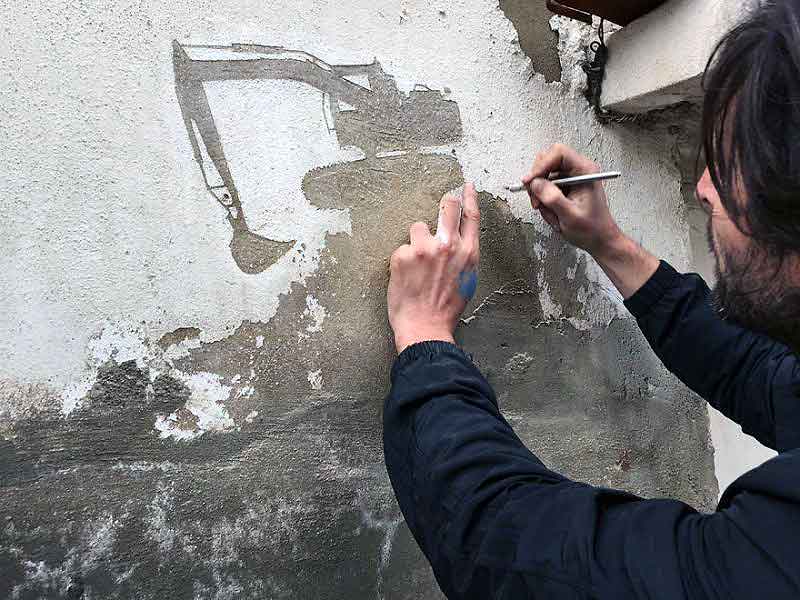
Answer 226:  It is allowed to draw pictures of non-living objects such as trees, flowers, etc., even in concrete form. There is no difference in the various forms of pictures whether they are painted, drawn, or embroidered, etc.[1]
According to Ayatollah Sistani, drawing a non-sculptured figure is allowed. Based on obligatory precaution, it is necessary to refrain from drawing a sculptured picture of a living being.[2]

There are traditions in our hadith books according to which angels do not enter houses where portraits of animate beings are kept.[3] It is necessary to mention a few points in regards to such traditions:

  1. A) The word “portrait” in the traditions includes pictures as well as statues of animate beings.[4]
  2. B) Most of these traditions are weak and inauthentic (without a trustworthy chain of transmission).[5]
  3. C) Religious authorities have mentioned these tradition in respect of those places where offering prayers is makrooh (abominable).[6]

It is for the same reason that the jurists have said: Offering prayers is makrooh (abominable) at certain places including “facing the picture or statue of living creatures, unless it is covered. It is makrooh to offer prayers at a place where there is a picture, even if it may not be placed in front of the person who offers prayers”.[7] Therefore, offering prayers at a place where there is the image of human and animate beings is abominable irrespective of whether the picture is in a mosque or elsewhere or whether it is in front of the people offering prayers or behind them. If there is a picture, it is better to cover the picture with something during prayers.[8]

In any case, according to the verdict of most of the current jurists, there is no objection in hanging up and keeping portraits, statues and (inoffensive) pictures in houses, public places and squares.[9]

[1] . Tahrirul Wasilah of Imam Khomeini. Pg. 538. Istiftaat of Imam Khomeini, Sayyid Roohullah, Vol. 2, Pg. 19

[2] . The official website of the office of Sayyid Sistani (ha), Question & Answer » Drawing.

[3] – Kulayni, Muhammad bin Ya’qub, Al-Kafi, vol.6, pg.528, hadith 13, Islamic Publications, Tehran 1407 A.H.; Al-Tahzib, Muhammad bin Hasan Tusi, vo.2, pg.377, hadith 102, Islamic Publications, Tehran 1407 A.H.

[4] – Majlisi, Mer’atul Uqul fi Sharh Akhbar Aal Al-Rasul, Muhammad Baqir Majlisi, vol.15, pg.299, Islamic Publications, Tehran, 1404 A.H.

[5] – Ibid.

[6]Muntahal Matlab fi Tahqiq al-Mazhab, Hilli, Hasan bin Yusuf, vol.4, pg.324, Majma’ al-Bohuth al-Islamiyah, Mashad, 1412 A.H.

[7]Tauzihul Masail of Imam Khomeini (with connotation), vol.1, issue No.898.

[8] – Answer partially extracted from answer 855 (site:930).

[9]Current Legal Issues according to the verdicts of Grand Scholars, Sayyid Mohsen Mahmoodi, Sahib al-Zaman Publications, pg.43, (extracted from Porsman software).

post

Shia answers: Necessity of Taqlid

Question 172: Is Taqleed wajib according to all mujtahideen or is there any difference of opinions?

Answer 172: It is obligatory (Wajib) on a (Muslim) who is a Mukallaf (a sane and adult person bound to fulfill religious duties) and one who has not attained the status of a Mujtahid (a religious scholar who is competent to exercise his individual judgment on theological issues) to be a Muqallid (a Follower of a Mujtahid) or be a Muhtät (one exercising caution),provided that he has the knowledge about the cases in which caution is to be exercised, in matters other than essentials (Daruriyyat) belonging to ibàdãt (matters of purely religious nature as prayers, fasting, Zakãt, Khums and Haj) and Muãmalat (matters relating to public dealings),even if they belong to the category of Mustahabbät (Desirable acts) or Mubãhãt (Permissible acts), although there are a few who have knowledge of the cases of caution. So the acts of a person belonging to laity who has no knowledge of the cases where caution is to be exercised, except by way of following a Mujtahid, shall be void.[1]

For further information in this regards, please refer to the following answer:

Index: Ways to obtain the verdict of a Mujtahid, answer 555.

[1] . Tawzih al-Masael, Vol. 1, Pg. 11; Tahrir al-Wasilah of Imam Khoeini, Pg. 14.

post

Adding the third testimony in Tashahud

Question 268: Why do Usooli Shia Muslim consider Tashood cannot be changed with 3rd Sahada of Imam Ali AS. If azaan is added with Ali Un Wali Ullah.

Answer 268: As the prayer is Tawqifi act we must not add anything other than what shariat allowed us to do. Since, the third testimony is not a part of prayer we are not allowed to add it in tashahud.[1]

There are different narrations regarding zikr (recital) of Tashahhud. However, all jurisprudents consider what they have mentioned in their Manuals of Islamic Laws (Resalah) as sufficient. When it comes to reciting more azkar (plural of zikr) in Tashahhud, if one recites them without the intention of wurud (i.e. doing an act which has no religious origin or validation), there is no problem in it but if he recites with the intention of wurud, some scholars have allowed reciting an additional zikr keeping in view that some of the narrations have been accepted and others have not.[2] However, most of the jurisprudents have sufficed to the zikr that has been mentioned in the Manuals of Islamic Laws.

Fatawa:

Makarem Shirazi (ha): The precaution is that Tashahhud has to be recited as usual.

Saafi Gulpaigani (ha): Tashahhud has to be recited in the same way that has been prescribed in the book of Islamic Laws.

Noori Hamedani (ha): There is no objection in reciting the azkar without intention of wurud.

Sayyid Sistani (ha): The third testimony must not be recited in Tashahhud, as an obligatory precaution. It is recommended to recite the following zikr the second testimony in Tashahhud: “Arsalahu bil haqqi bashiran wa naziran bayna yada yis sa’ah, wa ashhadu anna rabbi ne’mar Rab wa anna Muhammadan ne’mar Rasul and then recite the salawat.”

For further information in this regards, please refer to the following answer:

Index: “Ashhadu anna aliyyan waliyyullah” in Adhan and Iqamah, answer 276.

Facebook.

[1] . Imam Khomeini, Istiftaat, Vol. 1, Pg. 167.

[2]  Grand Ayatollah Sistani (ha).

post

“Ashhadu anna aliyyan waliyyullah” in Adhan and Iqamah

Question 276: Can someone provide the Sahih riwayahs from the Shi’i books which mention of Ash’hadu anna Ali’ un wali Ullah and the other phrase not included in conventional Aa’dhan?

Answer 276: In order to give a precise answer to the question, we shall follow up the discussion in three parts:

1) Is it basically okay to recite “Ashhadu anna alian waliullah” in Adhan or is it totally wrong and false?

2) If it is supposedly correct, is it a part of Adhan or not?

3) If it is not a part of Adhan, is there any problem in reciting it in Adhan without considering it as a part?

In order to reply to the first part of the question, it would first be necessary to deal with the meaning and import of the word “wali”.

Meaning of “wali”:

  1. A) Wali in the sense of being a guardian or custodian: There are many Quranic verses in which the word “wali” has been used in the same meaning e.g. “You have not besides Him any guardian or any intercessor”.[1]
  2. B) Wali in the sense of being a close friend[2]: There are also verses in the Quran with the word “wali” meaning friend. One of those verses is the following: “The good deed and the evil deed are not alike. Repel the evil deed with one which is better, then lo! he, between whom and thee there was enmity (will become) as though he was a bosom friend.”[3]
  3. C) Wali in the sense of helper and aide[4]: The Holy Quran says, “And the believers, men and women, are protecting friends one of another.”

Without doubt, there is no objection or problem in using “Waliullah” for believers in the second and third meaning (friend and helper). In fact, there are traditions transmitted by both Shiite and Sunni narrators with the word “wali” used in these meanings.[5]
As for the first meaning, it should be said that there are many narratives in which Ali (a.s.) has been introduced as the guardian, master and more entitled to be in authority in the same way as Holy Prophet (pbuh) was. Of course, Ali is a divinely-appointed leader; he was appointed as guardian and master of the Ummah by God in the same way as Prophet Muhammad (pbuh) was appointed as the Messenger of God.

As for whether “Ashhadu anna aliyyan waliyyullah” is a part of Adhan or not, there are narrations from the Ahlulbayt (a.s.) which expressly state that Adhan consists of eighteen sentences. Those sentences are the following:

Allahu Akbar, Allahu Akbar, Allahu Akbar; Ash hadu an la ilaha illal lah, Ash hadu an la ilaha illal lah; Ash hadu anna Muhammadan Rasu lul lah, Ash hadu anna Muhammadan Rasu lul lah; Hayya’alas Salah, Hayya’alas Salah; Hayya’alal Falah, Hayya’alal Falah; Hayya’ala Khayril ‘Amal, Hayya’ala Khayril ‘Amal ; Allahu Akbar, Allahu Akbar; La ilaha illal lah; La ilaha illal lah.[6]

Thus, “Ashhadu anna aliyyan waliyyullah” is not a part of Adhan. Shia jurists have issued verdicts on the basis of these narrations saying that the third testimony is not a part of Adhan.

Sayyid Sistani (ha) says: Ash hadu anna Amiral Mu’minina ‘Aliyyan Waliyyullah ( I testify that the Commander of the faithful, Imam Ali (AS) is the vicegerent of Allah) is not a part of either Adhan or Iqamah. But it is preferable that it is pronounced after Ash hadu anna Muhammadan Rasulul lah with the niyyat of Qurbat.[7]

Imam Khomeini (may Allah bless him) says in this regard: “Adhan consists of the following 18 sentences: Allahu Akbar four times; Ash hadu an la ilaha illal lah; Ash hadu anna Muhammadan Rasu lul lah; Hayya’alas Salah; Hayya’alal Falah; Hayya’ala Khayril ‘Amal; Allahu Akbar; La ilaha illal lah each two times.” Then he says, “Ash hadu anna Aliyyan Waliullah is not a part of either Adhan or Iqamah.”[8]

The next question that has to be dealt with is: Does reciting “Ashhadu anna alian waliullah” affect the prayers or not?
Obviously, there is a problem in reciting the third testimony as a part of Adhan. Some have said that if it is recited in such a way that it does not sound to be like one of the sentences of Adhan, there would be no problem.[9] At the most, the spurious argument that is likely to be raised is that reciting the third testimony is a mere bid’ah (innovation).

Considering that bid’ah means adding to the religion what is not a part of it, if someone considers this sentence to be a part of Adhan and recites it with such an intention, it is bid’ah and forbidden. However, since none of the Shiite jurists and grand scholars considers it as a part of Adhan and if someone recites it in a way such that it does not turn out to be like one of the sentences of Adhan and Iqamah, it would not be bid’ah and there would be no problem in it.

In addition, we come across narrations in our textual resources which say that whenever a person testifies to the prophecy of Holy Prophet (pbuh), he should also testify to the successorship (wilayah) of the Commander of Faithful, peace be upon him.

In any case, the reason why Shiite jurists allows the recitation of the third testimony in Adhan, not as a part, lies in the unrestricted narratives which say: “Whenever you testify to the oneness of God and the prophecy of Muhammad, you should testify also to the mastership of Ali bin Abi Tablib (a.s.).” Since this narrative is absolute and unrestricted, it includes Adhan and Iqamah also. Therefore, whenever someone testifies to the oneness of God and prophecy of the Holy Prophet (pbuh), he will also testify to the wilayah (guardianship) of the Commander of Faithful, Ali (a.s.) and this does not at all imply that the third testimony is a part of Adhan.

Also, there are special narrations which confirm the validity of reciting the third testimony in Adhan.[10] Hence, considering the lofty rank and position of the Commander of the Faithful, there would be no problem in reciting “Ali waliullah” in Adhan and in the Talqin (a funeral rite) of a dead body with the intention of Qurbat (seeking nearness to God) or Tabarruk (as a blessing), not as a part.

It is to be noted that many Sunni scholars admit that the sentence “al-salaatu khayrun min al-nawm” (prayer is better than sleep) is not a part of Adhan and it is one of the innovations of the second caliph. It has been reported from Malik bin Anas that the Muezzin (one who calls for prayers) went to Umar to wake him up for Fajr prayers. He saw Umar sleeping. Then he said, “al-salaatu khayrun min al-nawm”. Umar then ordered him to recite this same sentence in Adhan also.[11]

The question is that what justifies the recitation and inclusion of this sentence (i.e. al-salaatu khayrun min al-nawm) in the Adhan for Fajr prayers by Sunnis? Is it comparable with what the Shiites are reciting and which has many narrations authenticating and confirming it?

For further information in this regards, please refer to the following answer:

-1 Facebook.

-2 Facebook.

[1] . Al-Sajdah: 4.

[2] . Tabari Kiyaharasi, Abul Hasan Ali bin Muhammad, Ahkaamul Quran (Al-Kiyaharasi), vol.3, pg.83, Darul Kutub al-Ilmiyah, Beirut, 1405. A.H.

[3] . Fussilat: 34.

[4] . Ibn Mazur, Muhammad bin Mukram, Lesan al-Arab, vol.15, pg.407, Dar Sadir, Beirut, 3rd edition, 1414 A.H.

[5] . Ibn Abi Hatam, Abdur Rahman bin Muhammad, Tafsir al-Quran al-Azim (Ibn Abi Hatam) vol.2, pg.675, published by Maktabat Nazar Mustafa al-Baz, 3rd edition, 1419 A.H.

[6] . Saduq, Man La-yahzuruhul Faqih, vol.1, pg.289-291, Jame’ah Mudarresin Publications, Qom, 1413 A.H.

[7] . The official website of the office of Sayyid Sistani (ha), Rules of Namaz » Adhan and Iqamah.

[8] . Tauzihul Masail (with connotation), vol.1, pg.519, issue No.918.

[9] . Ibid.

[10] . Vide: The Third Testimony in Adhan, Iqamah and Prayers.

[11] . Malik, Muwatta, vol.1, pg.210, al-Islam website: www.al-islam.com.

post

Wearing Gold and Silk is forbidden for a Male Muslim

Question 485: Assalamu alaikum! Could you please advise if wearing gold-plated (only surface of the watch is covered by gold dust) watch is halal or haram.

May Allah bless you!

Answer 485: According to maraja’, it is not permissible for men to adorn themselves with whatever is called gold irrespective of whether the gold is yellow or red or white.[1]

There is no objection in making the frame of gold for a watch, and keep it with oneself (while offering prayers).[2]

But, if it is a gilt watch, maraja have different opinion about it as follows:

Khamenei (ha), if it is considered as gold it would be impermissible for men to wear it.

Sistani (ha), there is no objection in it.

Safi Golpayegani (ha), if it really contains gold it is impermissible.

Note: If there is a little gold used in it that it is not considered to be gold in the common view (Urf), there would be no problem in wearing it.[3]

If it is not hanging, though it may be in pocket, there is no objection in it! [4]

Regarding other metal, if it is known through checking a metal with an expert that it is white gold, it is haram (forbidden) for men to wear it. As for wearing silver, there is no problem in wearing it.

If a metal is called white gold, it is in fact the yellow gold which becomes white when a white metal is blended with it; therefore it is haram. In case, however, there is so little gold in it that it is not considered to be gold in the common view, there is no problem in wearing it. As for wearing platinum, there is also no objection in wearing it.[5]

Silk: The garment of men, while offering prayers, should not be made of pure silk, rather it is not lawful for men even when they are not offering prayers, although, according to the more cautious opinion, it is something which alone is not sufficient for offering prayer, as a waistband or a cap or the like. Pure silk also includes what is made of raw silk, such as a waistband or a cap or the like. Pure silk also includes what is made of raw silk, though it is permitted for women, even when offering prayers, and for men in the event of necessity or war.

What is for bidden for men is wearing garments made of silk, but there is no objection in making silken carpets or bed sheets and lie on them or blankets etc. and cover themselves with them when sleeping. So also there is no objection in stitching buttons of garments with silk, or decorate the garments with braids and laces made of silk, in the same way as it there is no objection in making the covers for wounds, abscesses and preventives for those suffering from incontinence of urine.

Rather, there is no objection even in patching garments with silk or making the borders of the garments with silk, provided that they are not to the extent that they may be called silken, and in case of borders for garments, it is more cautious that they should not exceed four fingers when joined together in width. Rather it is more cautious to observe this measurement even in case of the patches of silk on the garments.[6]

If a person doubts whether a garment or ring is made of gold or anything else, it shall be permissible to wear them, and offer prayers wearing them.[7]

Related Link: Facebook

[1] . Tawzih al-Masael of maraja’ (with annotation of Imam Khomeini) Vol. 2, Pg. 927, Issue 443.

[2] . Tahrir al-Wasila of Imam Khomeini (ra), Vol. 1, Pg. 168 (English version), issue 14;  Tawzih al-Masael of maraja’ (with annotation of Imam Khomeini) Vol. 1, Pg. 462.

[3] . Ajwabat al-Istiftaat (in Farsi language), Pg. 90;  Tawzih al-Masael of maraja’, Vol. 1, Pg. 140, Q 255.

[4] . Tahrir al-Wasilah of Imam Khomeini, Vol. 1, Pg. 169; Tawzih al-Masael of maraja, Issue 833, Ayatollah Fazel Lankarani (ra), Q 846.

[5] . Ajwebat al-Istiftaat (Farsi Answers to Religious Queries), pg.90, Tawzih al-Masail (with annotations by Imam Khomeini), vol.2, pg. 927, issue No.443.

[6] . Tahrir al-Wasilah of Imam Khomeini, Vol. 1, Pg. 169.

[7] . Ibid, Pg. 170.

post

Copyrights / Steal from Non-Muslims

Question 608: I am interested in this ruling saying parade video games are permissible to download. Would you be able to comment on what differentiates this from other forms of theft? Here in Australia there was an advertising campaign where they showed downloading pirated movies alongside other forms of theft. “You wouldn’t steal a car”, “You wouldn’t steal a wallet”, “Piracy is stealing”, read the captions. I have my own answer to this but am interested in one from a religious perspective.

Answer 608: Usurpation and forcible acquisition of the property of non-Muslims in non-Muslim countries is not permissible, if they are not at war with Muslims. And even if they are at war with Muslims it is still better that Muslims not do that, according to Ayatollahs Makarim, Khamenei, Fadhil Lankarani and Bahjat (ra).

It is neither permissible to steal from the private as well as the public property of non-Muslims, nor vandalize it, even if that stealing or vandalizing does not tarnish the image of Islam and Muslims. Such an act is counted as perfidy and violation of the guarantee given to non-Muslims indirectly when one asked permission to enter or reside in that country. And it is forbidden to breach the trust and violate the guarantee in regard to every person irrespective of his religion, citizenship, and beliefs.[1] But, regarding pirate video games or other software from non-Muslim companies in non-Muslim countries that don’t have any contract with Islamic countries for observing the mutual rights, our maraja’ say: You are allowed to download such products without their permission. Also, if there is a link by which everyone except our Islamic nations whom such companies made an order to stop us from downloading there would be no problem to download such products.[2]

Sayyid Sistani (ha) says: Copyrights must be respected; it is not permissible to copy a software product, if it is against the law. His Excellency also says about using cracked software: If someone else has cracked the software, you can use it.[3]

For further information in this regards, please refer to the following answer:

Index: Rules concerning Pirate Video Games from companies, answer 001.

[1] . The official website of the office of Sayyid Sistani (ha), Dealing with laws in non-Muslim countries » General Rules.

[2] . Ayatollah Khamenei, Ajwabat al-Istiftaat, rules concerning Copy Right. Adopted from answer 001.

[3] . The official website of the office of Sayyid Sistani (ha), rules regarding Copyrights.

post

Taking wages for reciting holy Quran or eulogy

Question 451: Most of the Zakirs, Ulama are taking handsome amount of reciting majalis and noha. Is taking wages for reciting holy Quran or eulogy  permissible in our fiqh?

Answer 451: There would be no problem for a Maddah, Zakir (eulogist) or a Qari (reader) to take wage for eulogizing (Maddahi) or reciting the holy Quran, though it is better for him/her not to take any.[1]

Grand Ayatollah Sayyid Sistani (ha) says: Taking wages for teaching Mustahab things is permissible. Taking wages for teaching obligatory acts of prayers is haraam.[2] As a result there is no problem in taking wages for reciting the holy Quran or eulogizing for Ahlul Bayt (pbuth).

[1] . Majma al-Masael, by Golpayegani, Vol. 2, Pg. 56;  Tawzih al-Masael of maraja’ (with annotation of Imam Khomeini), Vol. 2, Pg. 9331, Q 76;  The official website of the office of Sayyid Sistani (ha), rules concerning Job, question 12.

[2] . The official website of the office of Sayyid Sistani, Obligatory acts relating to Namaz » Qir’at (reciting the Surah Al-Hamd and other Surah of Holy Qur’an), issue 1008.

post

Greeting with Salam is mustahab responding to it is wajib

Question 062: Why shouldn’t we greet fellow Muslims with Salam on Ashura day? Is it a cultural tradition or there’s an Islamic justification to this?

Answer 062: There is a tradition narrated from Ali bin Ibrahim from his father from al-Nawfeli from al-Sakooni, from Imam Sadiq (as) that the Holy Prophet (pbuh) says: Greeting with Salam (peace) is recommended and voluntary, but responding to it is obligatory.[1] The Prophet (s) also says: Do not give answer to one who doesn’t initiate saying Salaam before his speech.[2]

Arabic version of this hadith is as follows:

السَّلَامُ تَطَوُّعٌ وَ الرَّدُّ فَرِيضَةٌ.

  1. Greeting is one of the desirable acts that have been recommended. It is not makrooh (abominable) to greet someone from this perspective. However, according to some religious authorities (maraje’), if not doing an action such as shaking hands is considered in common view as a way of mourning and expressing grief, it is better not to do it.[3]
  2. Imam Baqir (as) was asked about how we should console each other on the Day of Ashura? The Imam answered: Say: May God increase our rewards as a result of what has befallen us through Hussein’s sufferings. May God make both you and us men who seek vengeance for him together with his great successor (wali), the Imam, the Mahdi from the family of Muhammad (a).[4]

The Arabic version of this recommendation:

“أعظَمَ اللهُ اجورَنابمُصابِنابِالحُسَینِ،وَجَعَلَناوایّاکُم مِنَ الطّالِبینَ بِثارِهِ مَع وَلیّهِ الامامِ المَهدیِّ مِن آلِ مُحَمَّدٍ”

  1. The word ‘Salaam’ has been mentioned 22 times and the word ‘Assalam’ 7 times in the holy Quran. Some of the verses in which the word has been mentioned are as follows:

– When they entered into his presence, they said,” Peace!”” Peace!” He answered,”[5]

– Certainly Our messengers came to Abraham with the good news, and said,” Peace!”” Peace!” He replied.[6]

– Peace is to me the day I was born, and the day I die, and the day I am raised alive.”[7]

For further information in this regards, please refer to the following answer:

Index: Ways to Greet in Islam with Muslims and Non-Mahram, answer 369.

Index:  Lamentation: Normal mourning for Imam Hussain (as), answer 049.

[1] . Kulainy, Muhammad bin Yaqoub, al-Kafi, Vol. 2, Pg. 644, H. 1.

[2] . Ibid, H. 2.

[3] . Tabrizi, Jawad, New Isteftaat, vol.1, p. 454, Qom, first edition (date and place of publication not known).

[4] . Tusi, Muhammad bin al-Hasan, Mesbah al-Mujtahid wa Selah al-Muta’abbed, p. 772, Fiqh al-Shi’ah, Beirut, first edition, 1411 A.H.

[5] . Surah adh-dhariyat, verse 25.

[6] . Surah Hood, verse 69.

[7] . Surah Mariam, verse 33.